Why Food Cost is Misunderstood
Food cost is one of the most closely watched metrics in hospitality — and one of the most poorly managed. Most operators treat it as a defensive exercise: keep the percentage low, reduce waste, negotiate with suppliers. That approach achieves modest results.
The better question is not how to keep food cost low. It is how to use food cost discipline as a foundation for pricing power, value perception and revenue growth.
The Three Levers of Food Cost Management
Effective food cost management operates across three distinct levers, and the most sophisticated operators work all three simultaneously.
1. Input Control
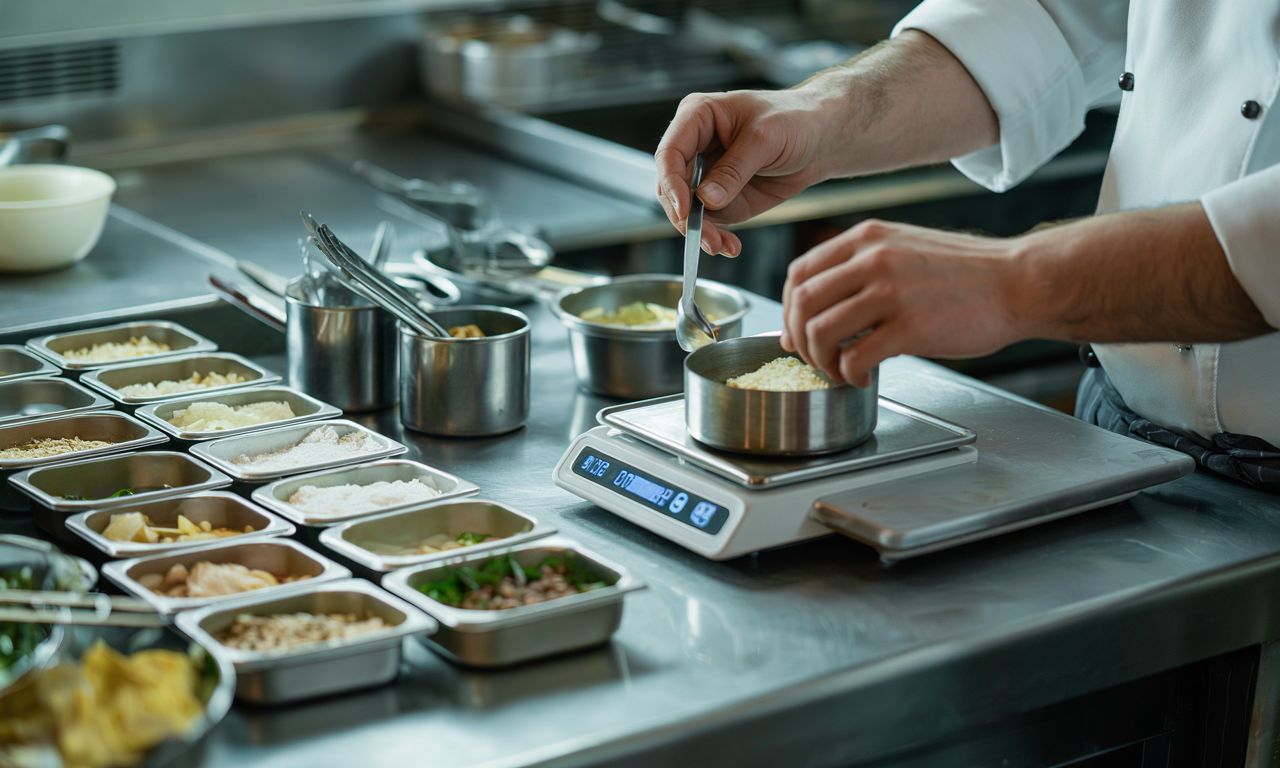
This is the most commonly understood lever: recipe accuracy, portion standards, yield management and supplier pricing. Most venues have some version of this in place, but execution quality varies enormously. The typical gap: recipes are written but not costed, portions are trained but not monitored, and supplier pricing is renegotiated annually rather than reviewed continuously.
2. Menu Mix Management
The composition of what guests actually order has a larger impact on food cost than almost any other factor. A menu that drives volume in low-margin categories will always underperform a menu that is designed to channel guests toward high-contribution items. Menu engineering and food cost management are the same discipline, viewed from different angles.
3. Pricing Strategy
Price is the most direct lever for food cost percentage. But price changes are not always the right tool. The more sophisticated approach is to understand which items have genuine price elasticity, which do not, and how to use perceived value to justify price positions that guests willingly pay.
Building the Competitive Advantage
The real opportunity in food cost discipline is not the percentage improvement itself — it is what you do with it.
In several projects, the savings from food cost improvement were deliberately reinvested into quality improvements on high-visibility items: better proteins, fresher produce, more precise presentation. The result was not a better food cost percentage. It was a stronger value proposition, higher average spend and better review scores — which eventually led to higher revenue than the margin improvement alone would have generated.
This is the competitive advantage that most operators miss. Cost discipline, when used strategically rather than defensively, becomes a tool for building market position.
Common Food Cost Problems and Their Root Causes
- Percentage creeping above target — Usually a recipe accuracy or portion discipline issue, compounded by menu mix drift
- Inconsistency between sites — Different purchasing practices, different recipe adherence, different yield assumptions
- Waste that cannot be tracked — No receiving or waste documentation discipline
- Supplier cost increases eroding margin — Reactive purchasing rather than structured supplier relationships with agreed pricing windows
- Seasonal menu changes without cost recalculation — Menu changes that inadvertently move food cost without anyone noticing until month-end
What Good Looks Like
High-performing operations maintain food cost through discipline rather than pressure. They have recipe systems that are actually used, not just filed. They run weekly food cost checks rather than relying on monthly reports. They have supplier relationships that allow for early notification of cost changes. And they review menu mix as part of management rhythm — understanding not just what the food cost percentage is, but why it moved.
Typical Outcomes from Structured Food Cost Work
- 3–6% food cost reduction within a quarter
- Improved consistency across shifts and sites
- Better purchasing terms through structured supplier engagement
- Management confidence in the numbers — decisions made on accurate data, not gut feeling
Conclusion
Food cost discipline is not a finance exercise. It is an operating discipline that, when embedded properly, gives operators the clarity to make better commercial decisions and the margin to invest in competitive positioning.
The venues that treat food cost as a strategic lever — not just a target percentage to chase — consistently outperform those that treat it as a containment problem.